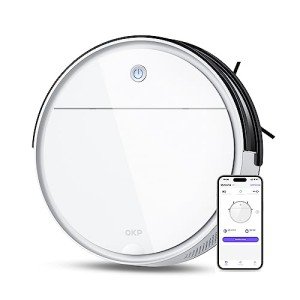
The Rise of Bagless Robot Vacuums: Revolutionizing Home Cleaning
Over the last few years, home cleaning has actually progressed significantly with improvements in technology, especially in the realm of vacuum cleaners. Among the most ingenious changes is the introduction of bagless robot vacuums. These little, automated cleaning devices are created to make preserving a tidy home more efficient and user-friendly. This article explores the functions, benefits, and factors to consider of bagless robot vacuums, assisting customers make informed choices about home cleaning services.
What is a Bagless Robot Vacuum?
Bagless robot vacuums are self-governing cleaning gadgets that operate without the requirement for standard dust bags. Instead, previous collect dirt and debris in an onboard container that can be cleared when complete. This design boosts benefit, as users do not require to acquire replacement bags or fret about disposal. They are especially appealing to those trying to find a low-maintenance cleaning solution.
Secret Features of Bagless Robot Vacuums
- Smart Navigation: Bagless robot vacuums use sensing units and algorithms to draw up a cleaning location, preventing obstacles and effectively covering surfaces.
- Setting up Capabilities: Many models enable users to set cleaning schedules, making sure that floors are kept even when property owners are away.
- Multiple Cleaning Modes: They may use different cleaning modes for various jobs, such as area cleaning, edge cleaning, and deep cleaning.
- Self-Charging: Most bagless robot vacuums can return to their charging stations when their battery is low, ensuring they are constantly ready for cleaning.
- Remote Control: Many designs can be managed through smartphone apps, offering users with the capability to begin or stop cleaning sessions from another location.
The following table summarizes some popular models of bagless robot vacuums and their specs:
| Model | Battery Life | Dustbin Capacity | Smart Features | Price |
|---|---|---|---|---|
| iRobot Roomba 675 | 90 minutes | 0.6 liters | App control, voice assistant | ₤ 299 |
| Eufy RoboVac 11S | 100 mins | 0.6 liters | One-touch control | ₤ 219 |
| Neato Botvac D7 | 120 minutes | 0.7 liters | Smart mapping, no-go lines | ₤ 599 |
| Roborock S6 Pure | 150 mins | 0.48 liters | App control, virtual barriers | ₤ 399 |
Benefits of Bagless Robot Vacuums
Bagless robot vacuums provide numerous benefits over traditional vacuums and bagged designs. Here are some essential advantages:
- Cost-Effective: Without the requirement to purchase replacement bags, users can conserve cash in the long term.
- Eco-Friendly: The absence of non reusable bags indicates less waste produced, making bagless options a more environmentally friendly option.
- Simple and easy Maintenance: Many bagless models feature washable filters, lowering maintenance inconveniences.
- Hassle-free Cleaning: Automated cleaning schedules and hands-free operation substantially reduce the time and effort needed for home cleaning.
- Advanced Features: Bagless robot vacuums typically come geared up with modern-day innovation, providing various smart features and customization alternatives.
Considerations When Choosing a Bagless Robot Vacuum
While bagless robot vacuums offer a number of advantages, there are likewise possible downsides to think about. Here are some factors consumers ought to take into consideration:
- Dustbin Capacity: Bagless vacuums require regular emptying, specifically in families with animals or high traffic. Buyers must think about dustbin size relative to their cleaning frequency.
- Suction Power: Not all designs provide the same suction abilities. Customers should look for vacuums with strong suction for efficient cleaning on different surface areas.
- Noise Level: Some models may be louder than traditional vacuums. Noise level can be an important element, particularly in settings where quiet operation is wanted.
- Floor Types: Users should validate that the vacuum is ideal for their flooring mix, such as carpet, wood, or tile.
- Upkeep: Bagless robot vacuums may require routine upkeep, consisting of cleaning brushes and filters, to keep ideal efficiency.
FAQs about Bagless Robot Vacuums
Q1: How frequently should I clear the dustbin of a bagless robot vacuum?
A1: It is recommended to empty the dustbin after every cleaning session, particularly if you have family pets or high traffic areas. Keeping the dustbin less than complete makes sure optimal suction and performance.
Q2: Can bagless robot vacuums efficiently clean carpets?
A2: Yes, many bagless robot vacuums are created particularly for carpets and have adjustable suction modes for various floor types. Nevertheless, it is important to examine producer specs for carpet cleaning abilities.
Q3: Are bagless robot vacuums ideal for family pet hair?
A3: Many models are developed with effective suction and specialized brushes to effectively pick up pet hair. Customers should search for vacuums specifically marketed as pet-friendly for optimum performance.
Q4: How long do bagless robot vacuums normally last?
A4: The life expectancy of a bagless robot vacuum can vary, however a lot of models last in between 3 to 5 years with proper care and upkeep.
Q5: Is it essential to change filters in a bagless robot vacuum?
A5: Yes, a lot of bagless robot vacuums have filters that ought to be replaced or washed occasionally. This maintenance assists maintain suction and enhances air quality.
Bagless robot vacuums have actually changed the landscape of home cleaning, offering effective, affordable, and eco-friendly solutions for preserving tidiness. With functions that boost user experience, these smart devices use a useful alternative to standard vacuum cleaners. When choosing a bagless robot vacuum, customers should consider their specific cleaning requirements and preferences, as well as the vacuum's abilities, to find the ideal design for their home. As innovation continues to advance, the abilities of bagless robot vacuums are most likely to progress further, making them an even more valuable addition to contemporary households.